
Tips and advice for motorcycle tours
Here you will find road-tested recommendations: from how to prepare your bike and your body, to how to read the terrain, choose tires, manage fuel or get out of a sandy traffic jam. Straightforward, no filler content, designed for trail/ADV bikes and enduro travelers.
Safety on an off-road trip starts before you set off. Define a basic emergency plan: who to tell, how often you will check in, and what you will do if you run out of coverage. It seems obvious, but most scares are the result of a chain of small decisions: "just one more stretch", "I'll refuel later", "this detour looks good".
On trails and gravel roads, the risk is not always the technical difficulty, but the environment: side wind, loose animals, dust in suspension, sawdust, loose stones and sudden changes of adherence. Adjust your pace to the visibility and the real terrain, not the "ideal" terrain you imagined at home.
Finally, do not underestimate the fatigue factor. In off-road you work more with your body and mind. Plan short and frequent stops, hydrate yourself even if you are not thirsty and cut the stage with a margin of light: fatigue + the night multiply errors.
Getting to the starting point is part of the adventure... or disaster. Check the main access and an alternate one, especially if there are sections of gravel, mud or passes that may be cut by weather. If you are traveling with a trailer or van, check where you can leave it safely and if the road admits this type of vehicle.
Logistics also include the basics: lodging, food schedules, watering areas, and coverage points. On remote routes, don't assume that you will find a station, ATM or store open. Carry a minimum margin for unforeseen events (a repair, a rainstorm that slows you down, a mandatory detour).
And something that makes all the difference: plan your arrival to start riding calmly, not at the limit. If you arrive late, tired or in a hurry, your first hour will be awkward and that's when you fall off the most. Better to leave earlier, ride fewer kilometers and start "fine".
In off-road, kilometers lie. A 200 km stage can be easy if it's on a fast track... or take forever if there's sawdust, sand or mud. That's why it's a good idea to plan by the hour: set a target time on the bike, add stops and leave a cushion for unforeseen events. A good route is not the longest one: it is the one you can repeat tomorrow without getting broken.
Divide the day into clear "blocks": calm start, central stretch, long stop and soft closing. The last hours are the most dangerous due to fatigue, low light and rushing to get there. If the end of the day includes a technical section, consider reversing the order or looking for an easier variant.
It also works very well to have a written Plan B: shorten the stage, sleep earlier or link up on asphalt if the weather turns bad. It is not about giving up, it is about knowing how to manage the journey as a project, not as a gamble.
Fuel is your watch on long routes. Before leaving, calculate your actual range with load and wind (consumption increases), and mark on the map the confirmed refueling points. The golden rule: refuel when you can, not when you need to. In remote areas, "I'm just in time" often means walking, asking for help or losing half a day.
The same applies to water. Carry accessible hydration (not stored at the bottom) and plan where to refill. A small mistake in water is paid for before a mistake in gasoline: dehydration lowers your concentration and makes you snappy, just the opposite of what you need on land.
In addition to gasoline and water, it marks "key points" on the route: important crossings, areas of recurrent mud, narrow passes, rivers or sectors without cover. Having these clear milestones reduces improvised decisions and gives you mental control when the going gets tough.
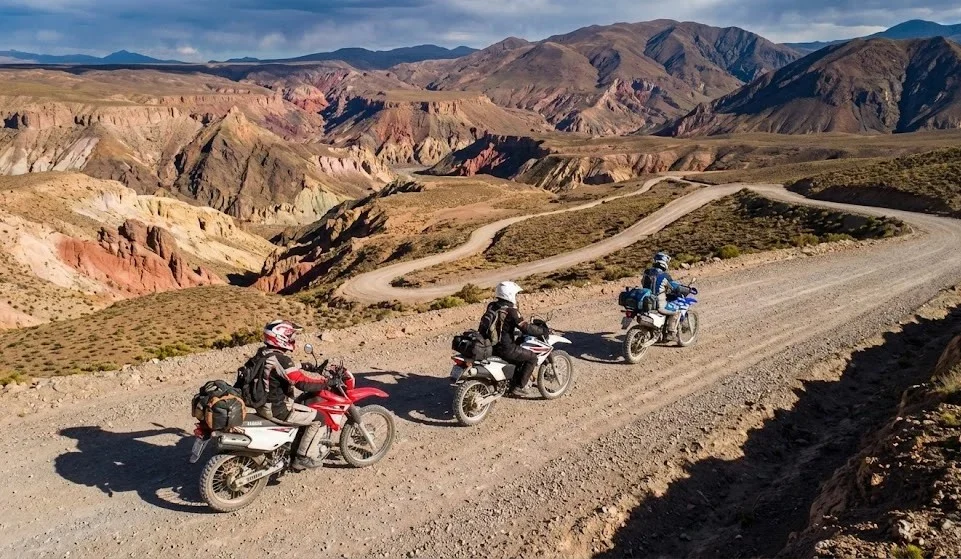
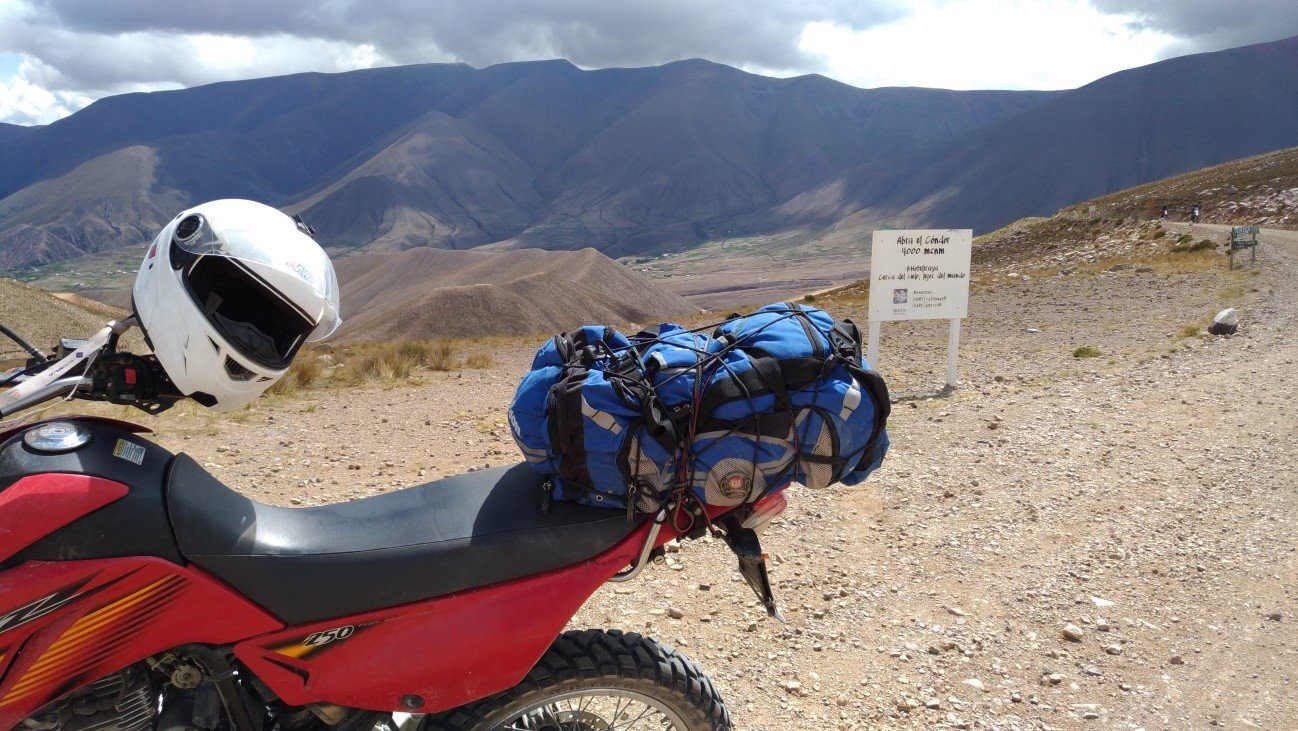
The values in each voyage
Riding off-road is not just about getting there: it's about how you do it. In each route we look for that balance between adventure, technique and respect for the environment.
Intelligent preparation
A journey is won before it starts. We plan by real times (not by kilometers), define plan B and control key points: fuel, water, climate and light.
Respect and community
We roll to add, not to invade. We respect roads, local rules and nature, minimizing impact and avoiding conflicts. And if you go in a group, the rule is clear: no one is left behind.
Safety first
In off-road, the typical mistake is to confuse pace with skill. Prioritize fluid driving, with technique and head: manage fatigue and make decisions when the terrain becomes difficult.